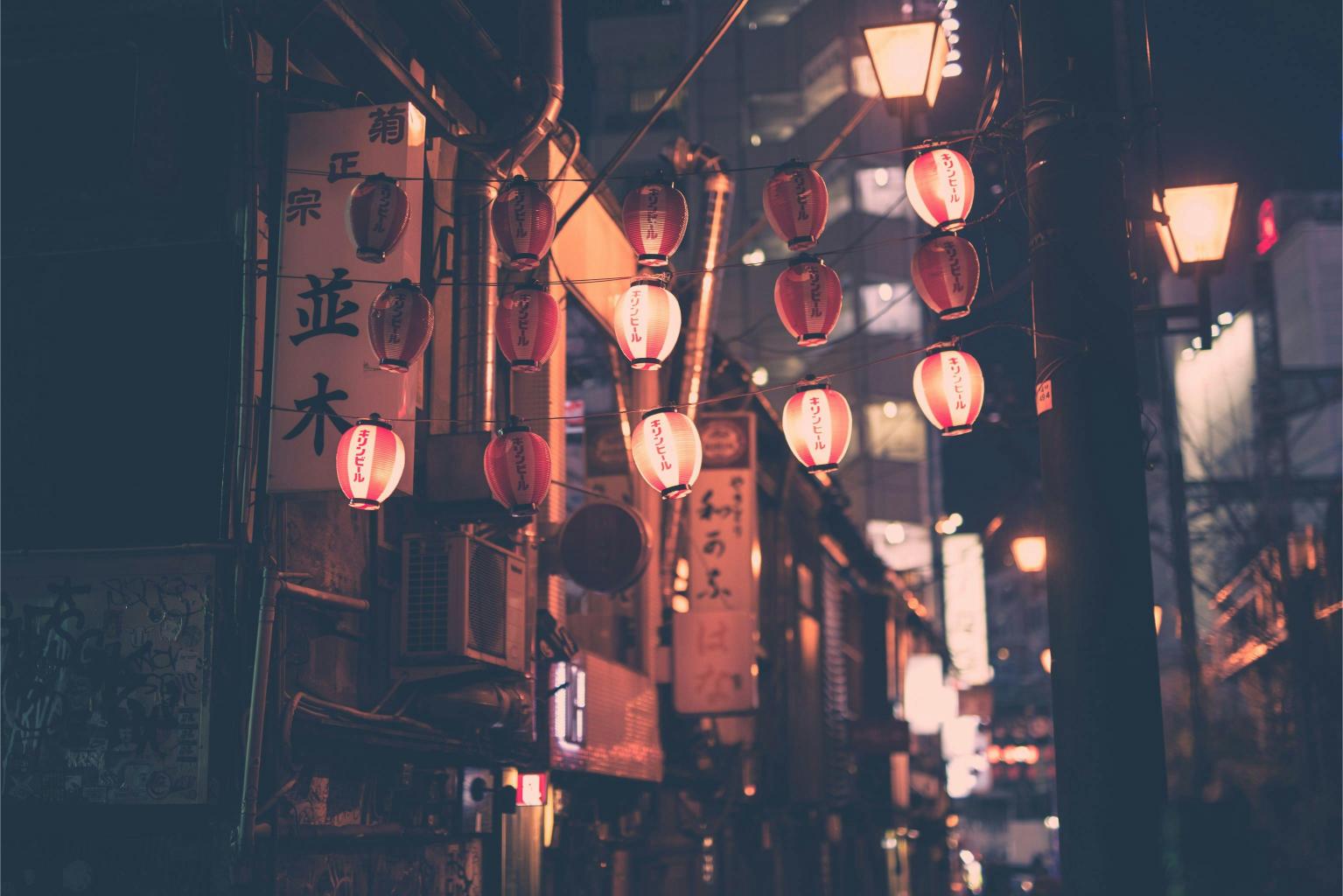
Look, planning Japan tours means dealing with one obvious truth—Tokyo and Kyoto end up in literally every itinerary. Not some itineraries. Every single one.
There’s a reason for this. These two cities aren’t just popular because travel bloggers keep writing about them (though that happens too). They represent two completely different sides of Japan, and missing either one feels like watching only half a movie.
Tokyo hits different
Tokyo doesn’t ease you into anything. Step out of the station and it’s sensory overload—flashing screens everywhere, crowds moving with weird precision, vending machines selling things that shouldn’t be in vending machines. The city operates on organized chaos, somehow making perfect sense while making no sense at all.
Most Japan travel packages start here, and smart ones give it at least three days. Because one day you’re in Shibuya watching that famous crossing (yes, the one from every Japan video ever), next day you’re in some quiet neighborhood temple, then suddenly you’re in an izakaya at 11 PM eating yakitori and wondering how you got there.
The food scene alone justifies the trip. Ramen that costs ₹500 tastes better than fancy restaurants back home. Convenience store egg sandwiches—random, but trust the process—are weirdly good. And Tsukiji outer market at 6 AM? Absolutely worth the early wake-up, even if jet lag’s already doing that job.
Shopping ranges from ₹100 stores where everything actually costs ₹100 (imagine that) to Ginza where a watch costs more than most cars. Akihabara exists for anime fans and tech nerds. Harajuku’s got the street fashion thing going. Each neighborhood functions like its own city.
Then Kyoto slows everything down
After Tokyo’s intensity, Kyoto feels like someone turned the volume knob way down. This city runs on a completely different frequency—temples, gardens, geishas, traditional tea houses, the whole classical Japan package.
Japan trip packages always include Kyoto, but many don’t give it enough time. Two days minimum, ideally three. Because rushing through Fushimi Inari’s thousands of red gates or Arashiyama’s bamboo groves defeats the entire purpose. These places need slow walking, random breaks, just… existing there for a bit.
The golden pavilion (Kinkaku-ji) photographs well, sure. But something about seeing it in person, especially when sunlight hits it just right—that’s the stuff that sticks. Same with the rock garden at Ryoan-ji. Fifteen rocks and some gravel shouldn’t be interesting, yet somehow it is.
Gion district in the evening occasionally spots actual geishas heading to appointments. Not the tourist dress-up ones—real ones. They move fast though, so catching a glimpse feels like a small victory. The narrow streets there, old wooden buildings, lanterns lighting up—this is the Japan most people picture before actually visiting Japan.
Why both cities matter for Japan trip packages
Here’s the thing about planning a Japan trip—going to only Tokyo or only Kyoto misses the point entirely. Tokyo shows modern Japan doing its thing at hyperspeed. Kyoto shows where all that came from, what Japan was before bullet trains and robotics.
Most Japan tour packages
do the smart thing: start in Tokyo (land there, adjust to the madness, get oriented), then bullet train to Kyoto (yes, the shinkansen ride itself counts as an experience), maybe hit Osaka or Nara from there, then loop back to Tokyo for the flight home.
The bullet train between them takes 2.5 hours. Costs around ₹12,000 one way, which sounds steep until comparing it to flight hassles and time lost at airports. Plus the train ride shows you Mount Fuji on clear days—worth the ticket price right there.
Planning the practical stuff
Japan tour packages from India usually range ₹1.5 lakhs to ₹3 lakhs per person for a week, depending on hotels and inclusions. Peak season (cherry blossoms in spring, fall colors in autumn) pushes prices up by 30-40%. Monsoon season gets cheaper but also, well, wetter.
Visa processing takes about a week if documents are proper. Japan got stricter about itineraries recently—they actually want seeing confirmed bookings, not just “planning to figure it out there” vibes.
Food costs surprise people. A decent meal runs ₹800-1500. Convenience store food (actually good there) costs ₹300-500. Restaurants with English menus usually charge more. Small places with only Japanese menus and a ticket vending machine outside? Those often have the best food at the best prices.
The reality check
Both cities get crowded. Like, really crowded. Tourist spots in Kyoto during peak season feel like trying to board a local train during Mumbai rush hour. Tokyo’s always packed but moves efficiently. Kyoto’s packed and moves slowly because everyone’s taking photos.
Just as Japan tour packages offer a perfect blend of tradition and modern experiences, Goa tour packages bring together scenic beaches, vibrant culture, and unforgettable coastal adventures.
But crowds or not, these two cities anchor Japan tour packages for legitimate reasons. They complement each other perfectly—one’s the heartbeat, one’s the soul. Skip either and the trip feels incomplete.
Most people leave Japan wanting to come back. Usually they’re already planning the second trip on the flight home, plotting which places they’ll hit next time. But that first trip? Tokyo and Kyoto make it count.